

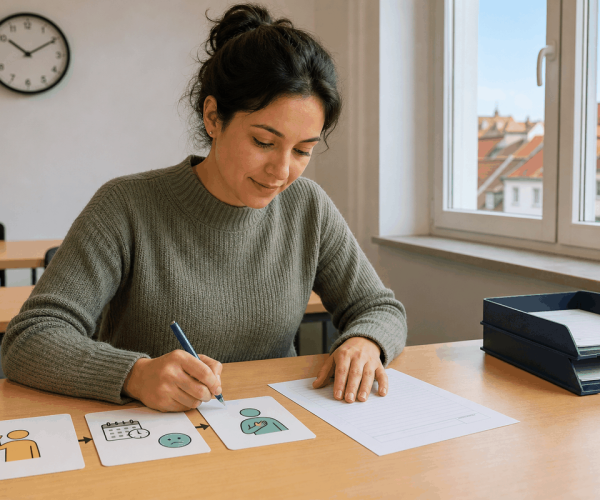
Learn simple patterns for the short messages common in a CEFR A2 writing exam. Practice choosing the right register, covering each task point, and checking your work.


Practice checking in, managing baggage, passing security, boarding, and completing the key steps of an ordinary flight.
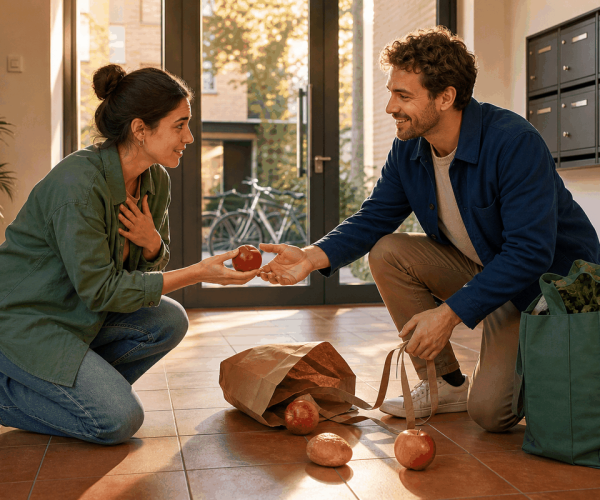
Everyday Standard German for small mistakes, considerate responses, and different levels of thanks. Notes distinguish informal and formal forms where needed.
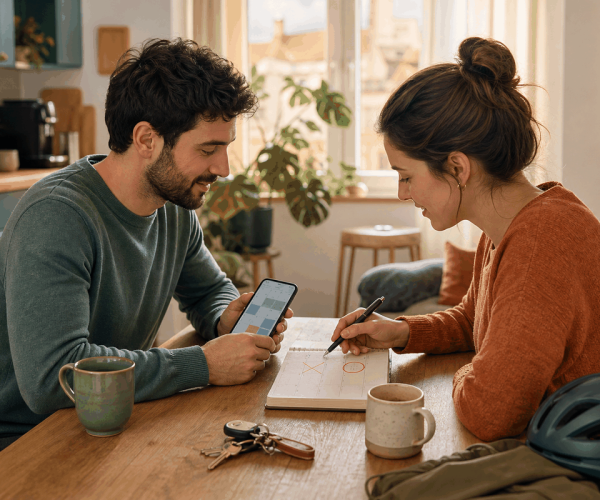
Learn the practical phrases needed to suggest an activity, agree on the details, check that a plan still works, and politely change or cancel it.

Useful spoken phrases for repairing misunderstandings and checking details in everyday German. Formal Sie and informal du forms are marked through the examples.

Learn how to ask where a destination is, understand a simple route, use landmarks and distance clues, find entrances and exits, and politely clarify directions you did not understand.

Learn the practical German needed to make and check in for an appointment, describe common symptoms, answer basic questions, follow examination instructions, and understand simple next steps. The examples teach language only and are not medical advice.

Learn practical German for filling a prescription, choosing pharmacy products, and checking how to use them safely. The deck encourages learners to follow the label and ask a pharmacist when unsure.

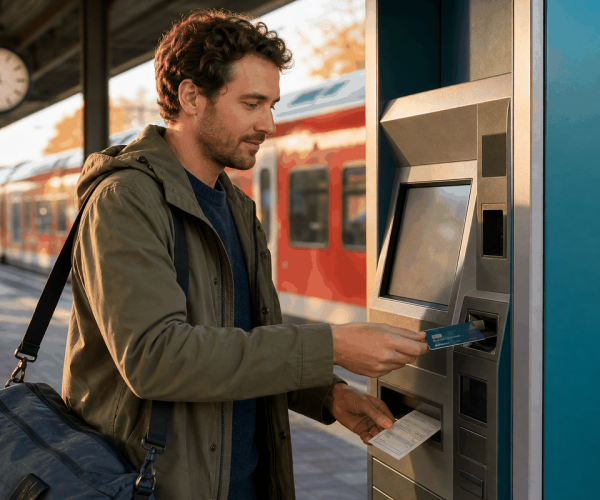
Practice the language needed at ticket counters and machines: choosing a fare, stating travel details, selecting useful options, paying, and checking validity.

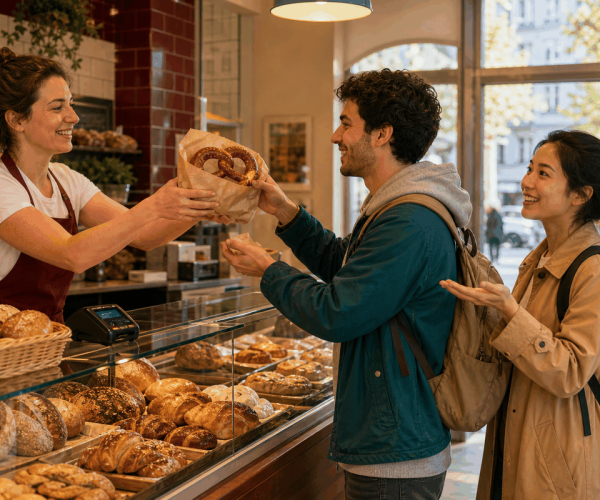
Practice the short, polite German used at a counter or café table: choosing baked goods, specifying drinks, eating in or taking away, and paying.
Choose useful article forms in common shopping, travel, and social phrases.

Practical German for choosing clothes, checking fit and color, and asking shop staff for help.
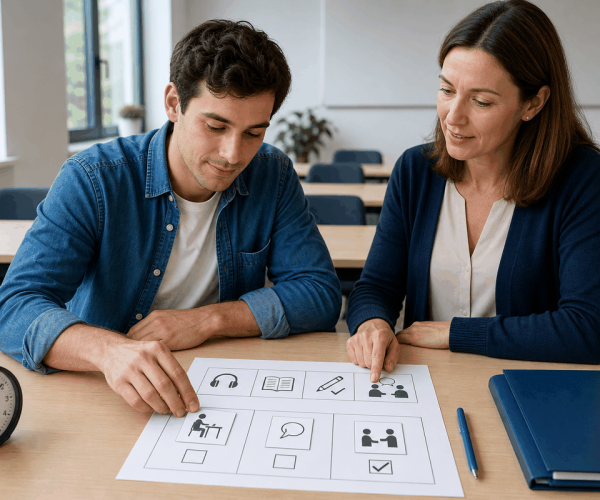
High-value vocabulary for navigating the exam itself: task parts, instructions, timing, oral roles, choices, notes, and scoring. The deck teaches what to do with these words, not reading or listening clue words.
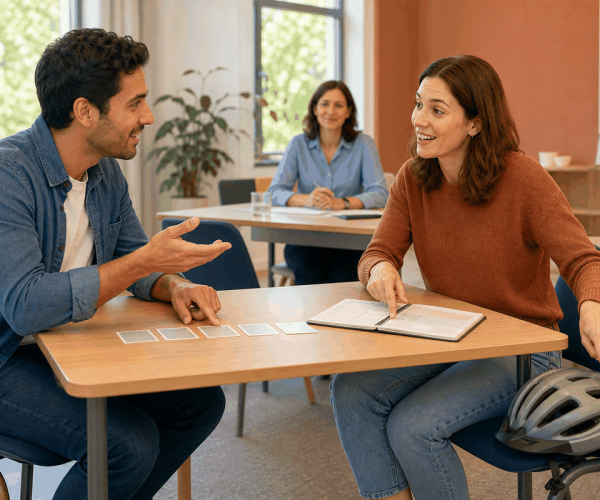
Reusable question frames for candidate conversations and examiner follow-ups. Each pattern helps learners ask for one clear piece of information and recognize the kind of answer required.

Productive linking tools for oral exam answers and partner tasks. Learners join short ideas, add reasons and examples, contrast options, organize a response, and conclude without turning the deck into a grammar lecture.

High-frequency Standard German signals for thinking, reacting, taking a turn, and showing that you are listening. These are conversation tools, not slang or full opinion phrases.
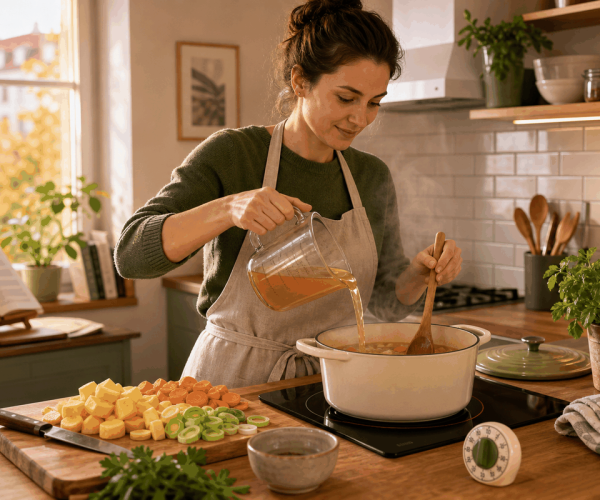
Learn the verbs, sequence words, measurements, and doneness language needed to prepare an everyday meal from a short German recipe.
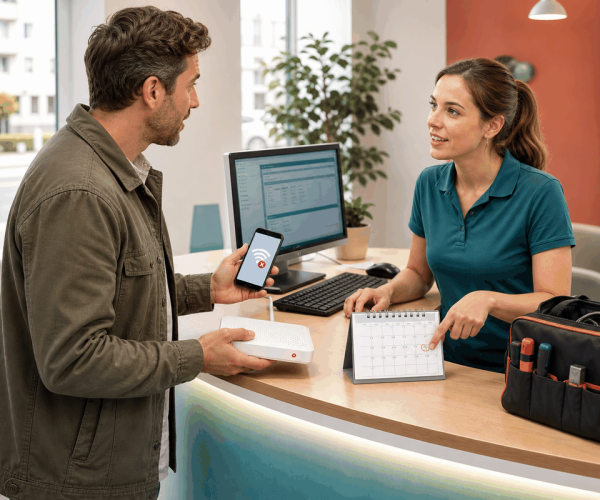
Practical German for getting help from a company by phone, chat, email, or at a service desk.
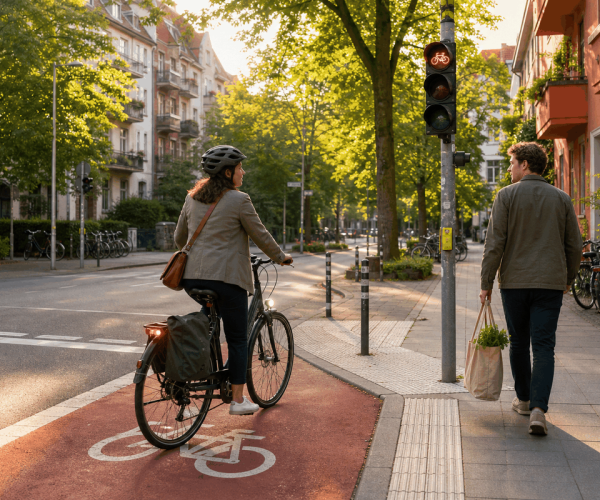
Practice renting and checking a bicycle, understanding pedestrian and cycling spaces, following basic safety rules, and describing route conditions.

Build the practical conversation skills needed to greet people, introduce yourself, make friendly small talk, and ask or answer common everyday questions in neutral Standard German.
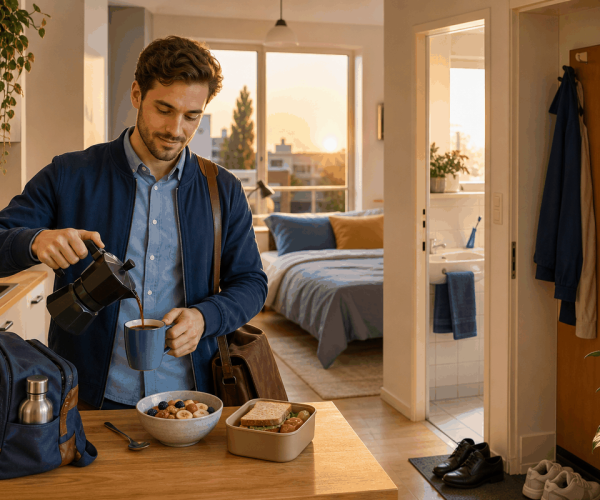
Practice practical A2 verbs for mornings, getting ready, commuting, meals, chores, evenings, and bedtime.

Learn respectful A2 language for showing interest, arranging a date, defining a relationship, checking consent, and setting boundaries. Examples are gender-neutral where possible and make clear that either person may say no or change their mind.
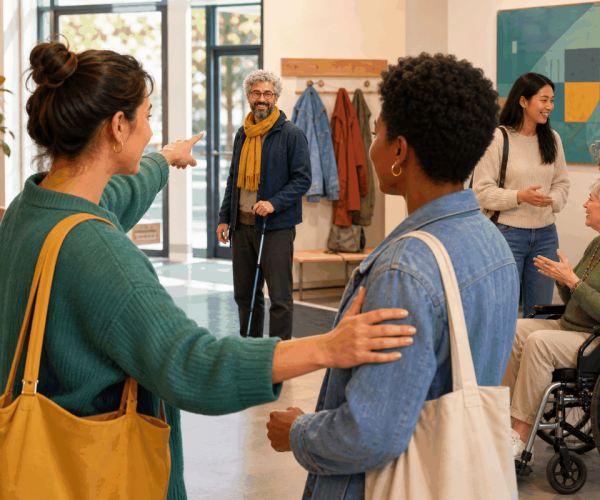
Learn neutral A2 language for identifying and describing people by height, build, hair, clothing, and visible features. Descriptions are factual rather than judgmental and avoid assumptions about identity or character.

Learn clear, polite A2 German for saying what you eat or avoid, asking about ingredients, and requesting simple changes to a meal.

Practice choosing and collecting a rental car, checking its condition and contract, refueling, parking, and responding to common road situations.

Practical German for choosing everyday electronics and understanding basic product information in a store.
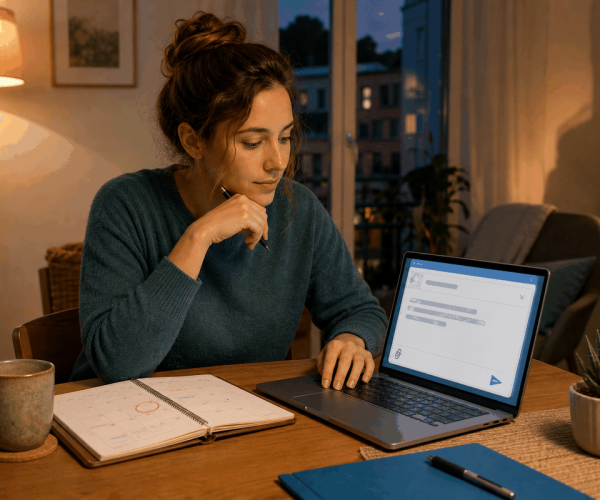
Core elements and phrases for short personal or everyday service emails: subject lines, greetings, attachments, replies, and closings. It teaches email building blocks rather than long writing templates.
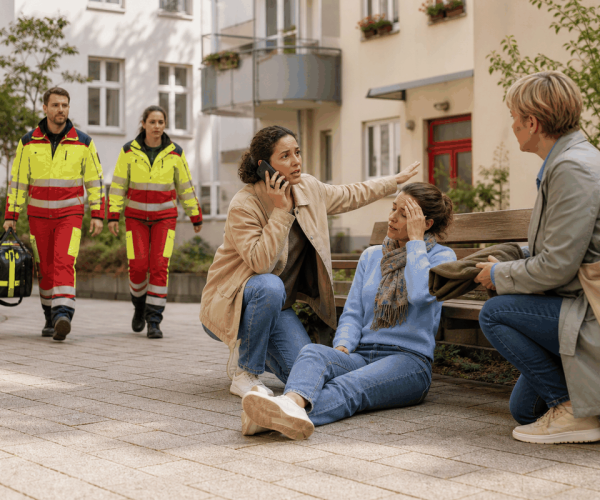
Learn German for contacting emergency services, stating a location, and following communication instructions. The deck focuses on seeking trained help and sharing facts, not providing medical treatment.
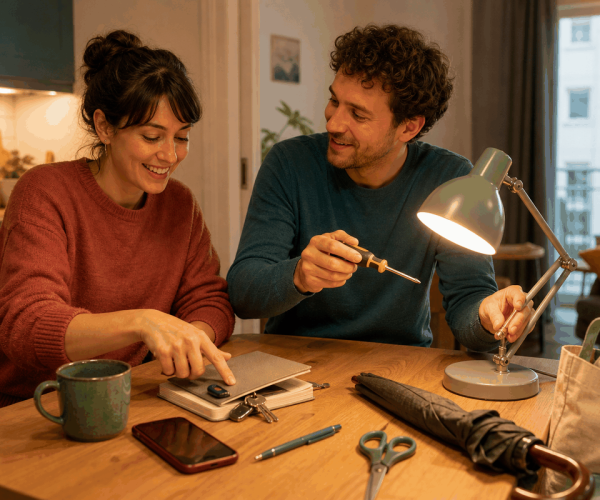
Learn the names and practical phrases for common portable objects so you can ask where something is, request to borrow it, and explain a simple problem.
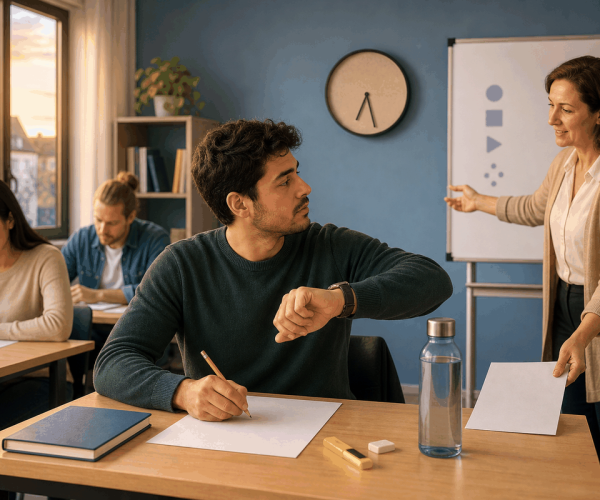
Learn practical language for preparing, revising, asking about tasks, and following simple written and spoken exam instructions.
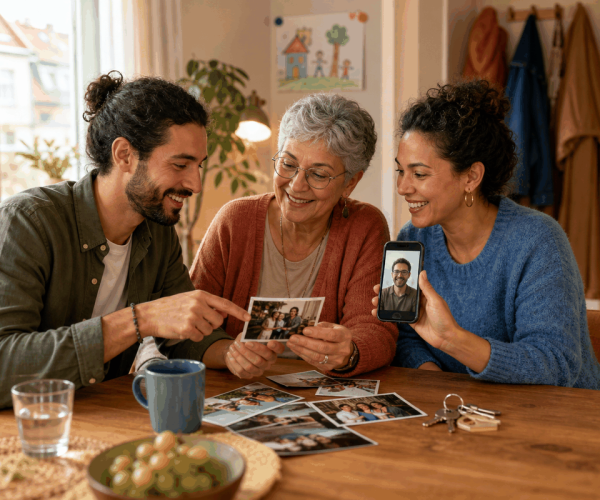
Build the practical German needed to describe close and extended family without assuming one family structure. Learn useful family nouns with articles and plurals, common relationship-status words, and neutral everyday questions about children, ages, relatives, and who lives together.

Use clear A2 expressions for common emotions, their causes, and supportive responses. The deck encourages speaking from personal experience, asking rather than assuming, and respecting when someone does not want to talk.
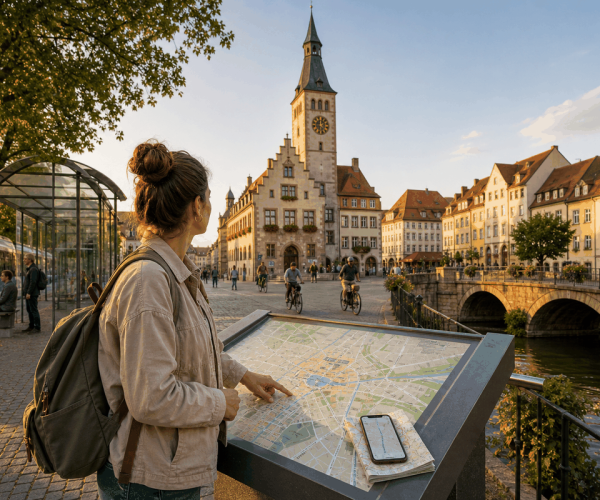
Build a mental map of a town using landmarks, map symbols, relative position, and route features rather than memorizing direction questions.
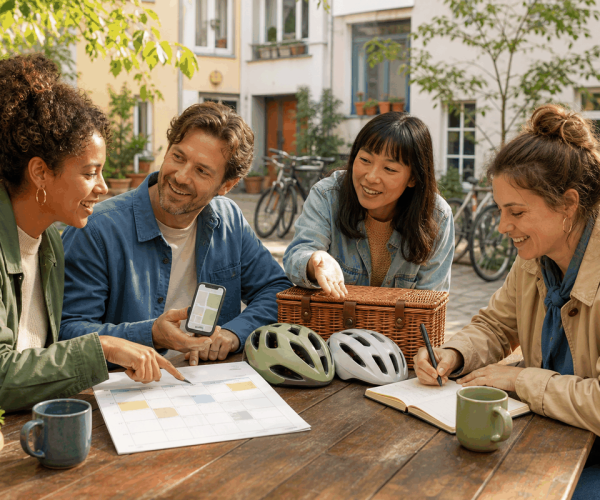
Build practical language for introducing friends, staying in touch, making plans, offering support, and setting friendly boundaries. The examples use du for established friendships and point out when neutral wording avoids romantic ambiguity.

Learn high-frequency produce words used in meals, recipes, markets, and everyday conversations, with useful forms and simple descriptions.

“Get ready to add some ‘amour’ to your German vocabulary with our sizzling-hot flash card deck: ‘Amorous Adventures in German Flirting’! 💘🇩🇪
Want to sweep that special someone off their feet in German? Look no further! Our deck is packed with flirty phrases that’ll make hearts flutter and spar
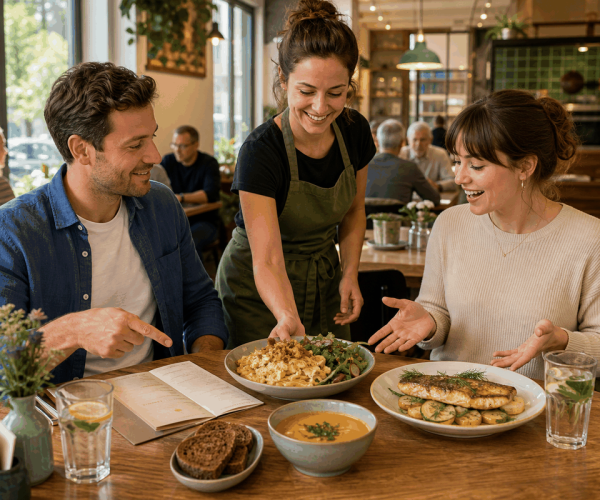
Recognize everyday meal patterns and common foods seen on menus or served at home, focusing on useful choices and expectations rather than food trivia.

Discover the essentials of German shopping vocabulary with this comprehensive flash card deck designed specifically for A2 level students. With this resource, you’ll explore over 24 vital German words commonly used in shopping contexts, such as ‘Einkaufswagen’ (Shopping Cart), ‘Rabatt’ (Discount), ‘

Short A2 phrases for sharing what you think and responding respectfully to other views. The examples work in everyday conversations without advanced debate language.
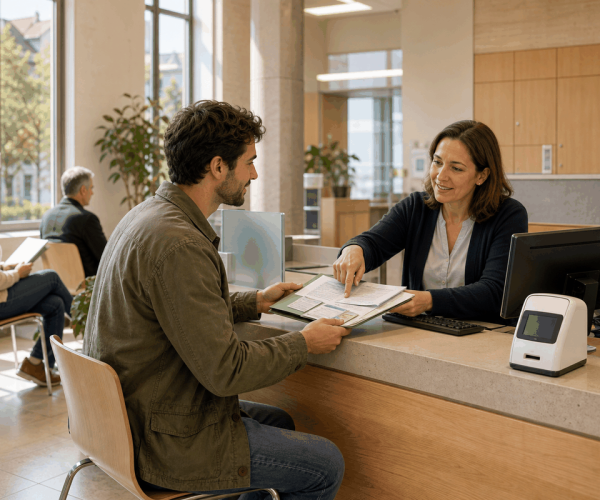
Match common government offices with their services and use polite A2 German during a visit, without focusing on form-filling.

Complete a supermarket or market trip in polite, everyday German. Learn to find products, handle carts and baskets, understand packaging and prices, weigh produce, and manage common checkout and payment interactions.

Build a practical core of German product vocabulary for understanding labels, lists, and store sections without repeating the tasks of a grocery-shopping conversation.
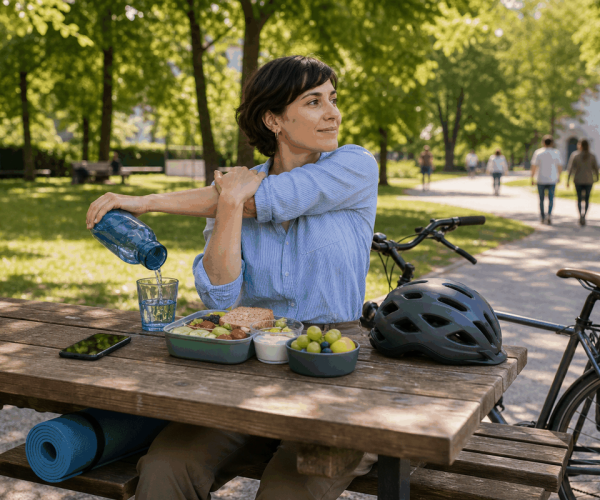
Learn everyday German for movement, meals, sleep, rest, and realistic routines. These expressions support general well-being and do not make medical claims.
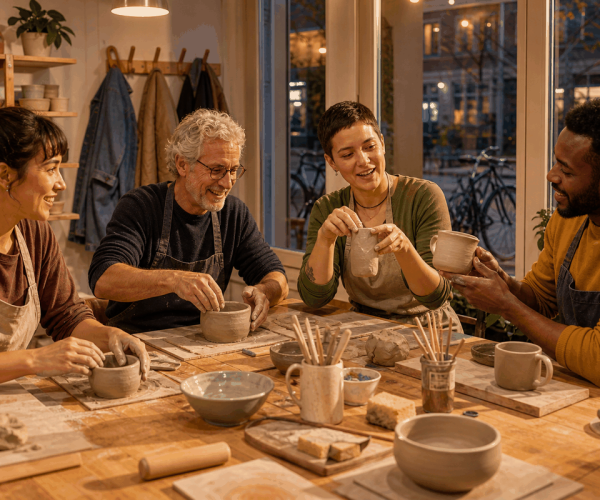
Talk naturally about what you enjoy doing in your free time, how often you do it, and whether you want to join an activity. The focus is social conversation, not specialist hobby vocabulary.

Learn inclusive, practical language for birthdays, public holidays, personal celebrations, and differing traditions. Examples do not assume that everyone celebrates the same occasions or in the same way.
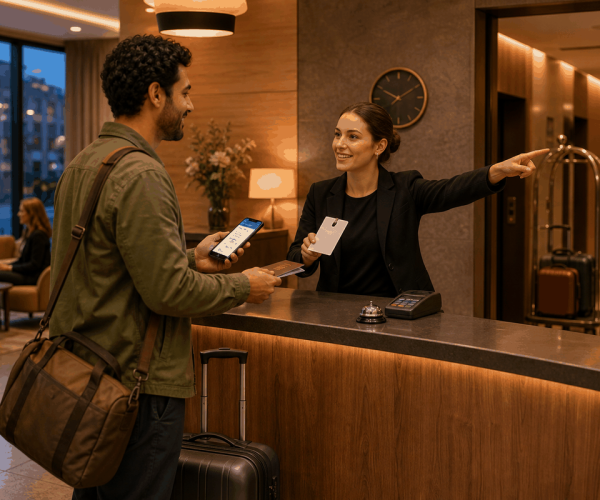
Practice choosing a room, confirming a reservation, checking in and out, and making ordinary requests during a hotel or guesthouse stay.
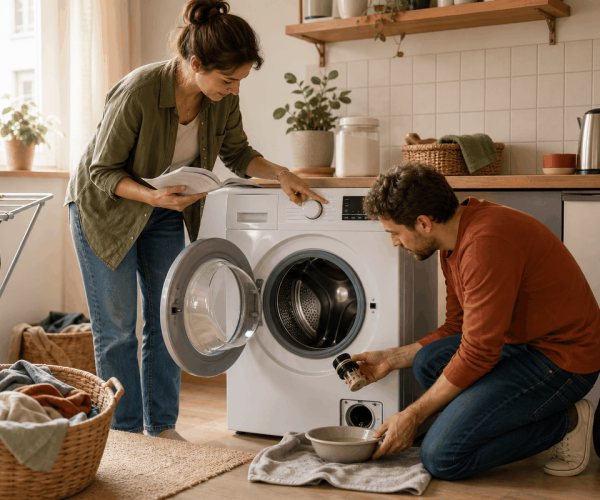
Everyday German for identifying appliances, understanding controls, choosing settings, and handling simple operating problems.

Useful German for dividing chores, cleaning efficiently, and describing routine household work.
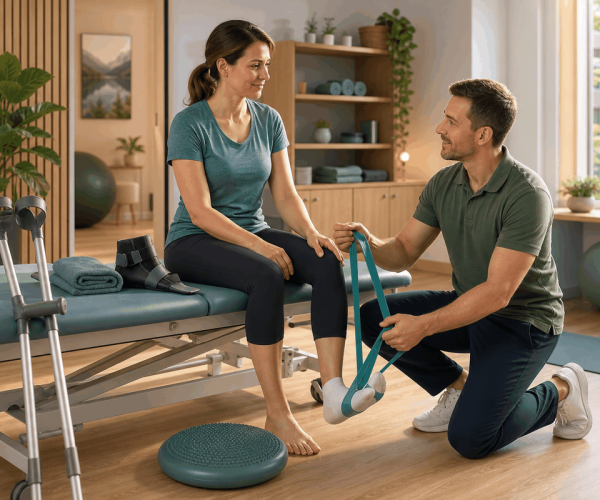
Learn German for describing how an injury happened, understanding recovery arrangements, and asking practical follow-up questions. Follow instructions from qualified professionals rather than using this deck as treatment advice.

Practice polite introductions, common interview questions, short A2 answers, and useful questions to ask about the role.
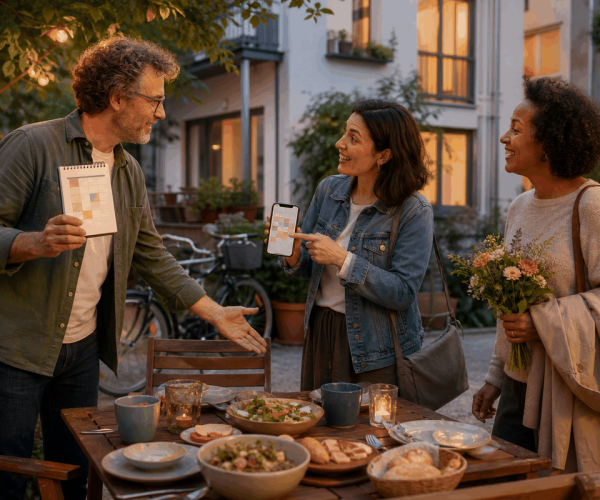
Practice spoken invitations for casual and polite situations, accepting or declining clearly, and confirming practical details. These are conversation skills rather than written invitation templates.

Learn the essential A2 language for reading a basic job ad, gathering documents, and sending a short, polite application.
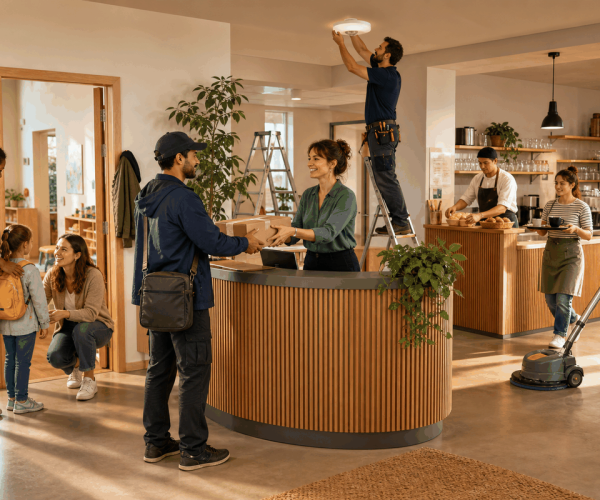
Learn common occupation names and short phrases for saying where someone works or what they do. The focus is everyday conversation, not specialist careers.
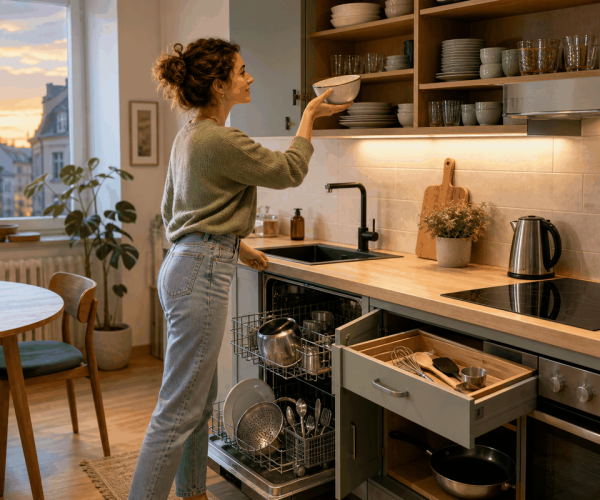
Build the object vocabulary needed to find, use, put away, and talk about everyday equipment in a German-speaking kitchen.
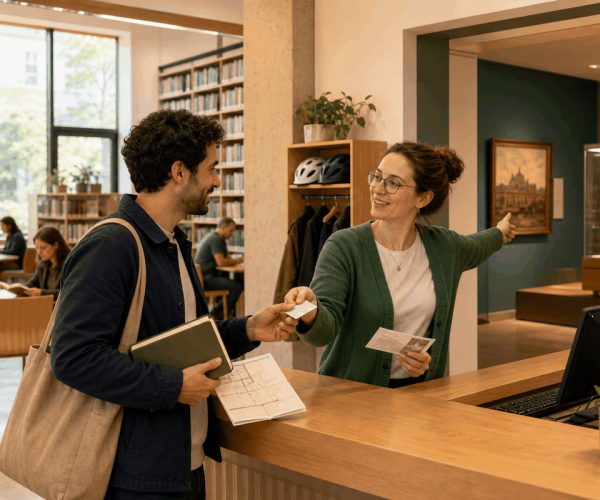
Learn practical language for membership, borrowing, exhibitions, tickets, and visitor services in libraries and museums.

Train your ear to catch small German words and patterns that often carry the answer in A2 listening tasks. Each signal comes with a tiny spoken example so you can recognize what information to listen for next.

Learn common German on registration forms, insurance cards, invoices, and reimbursement requests. The deck focuses on practical administration rather than symptoms or medical consultations.

Practice the phrases used to set, confirm, move, and join a basic work meeting. The focus is workplace coordination rather than personal plans.
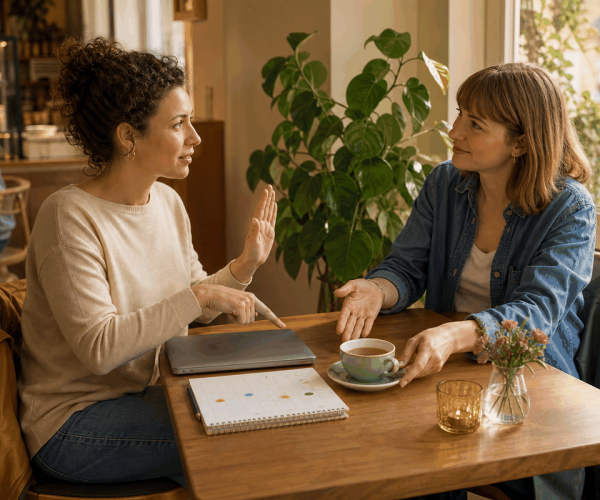
Learn respectful German for stress, boundaries, support, and professional counseling. The deck uses non-diagnostic language and encourages immediate outside help when someone is in danger.
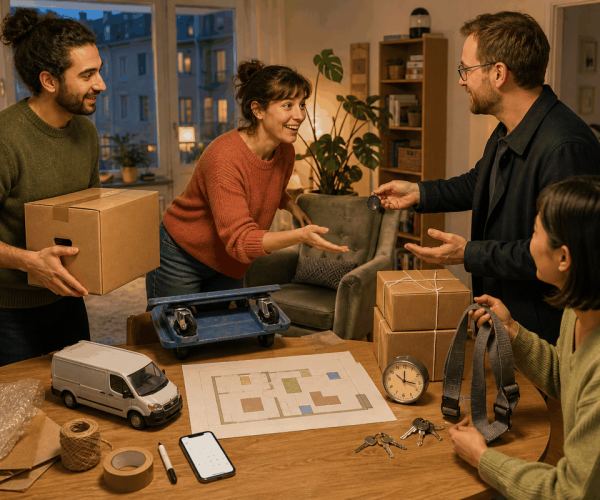

Practical German for packing, arranging transport and helpers, labeling boxes, and handling moving-day logistics.
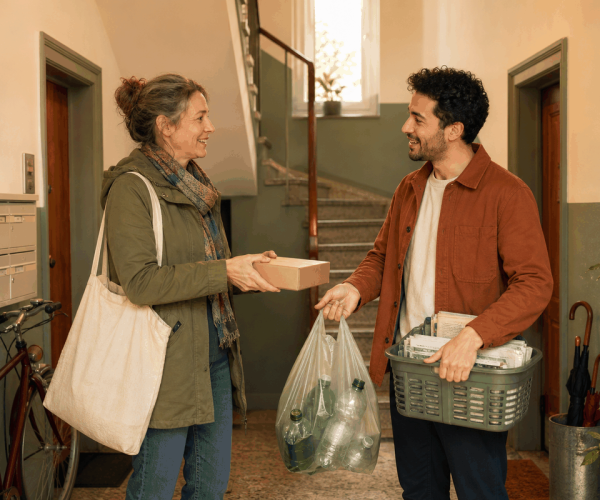
Friendly, respectful German for introductions, requests, shared spaces, noise, deliveries, and small favors.
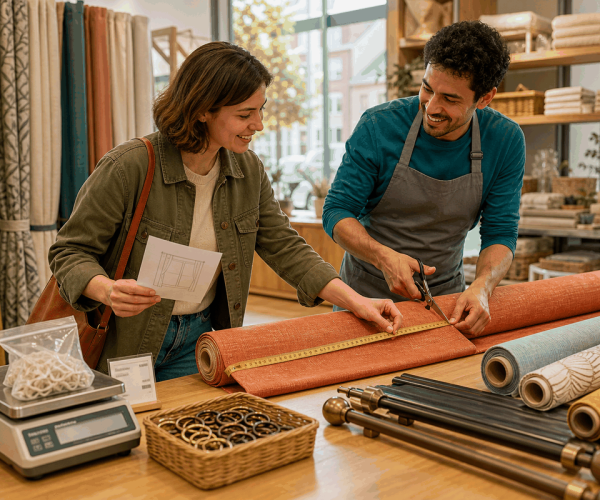
Learn the number patterns and measurement phrases needed for shopping, travel, appointments, addresses, weather, and other everyday A2 tasks.
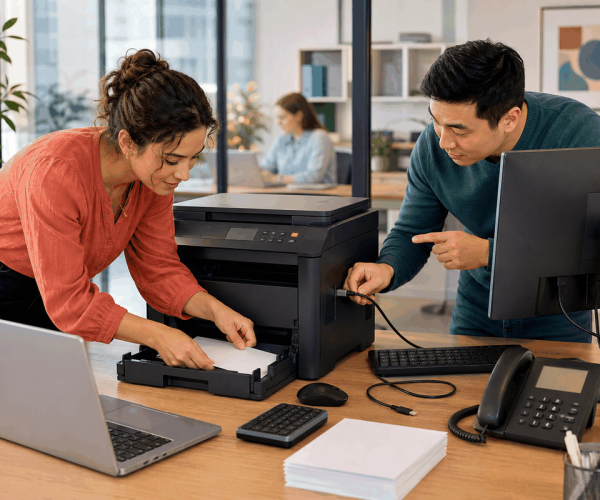
Learn the everyday German needed for computers, printers, files, online calls, and common office technology problems.
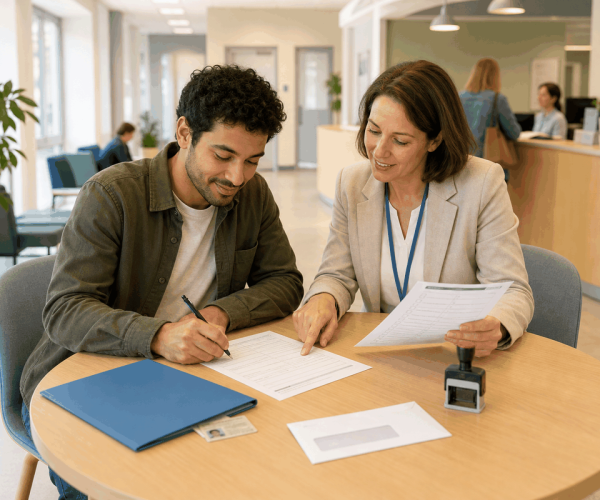
Practical German for entering personal details, following form instructions, and submitting documents.
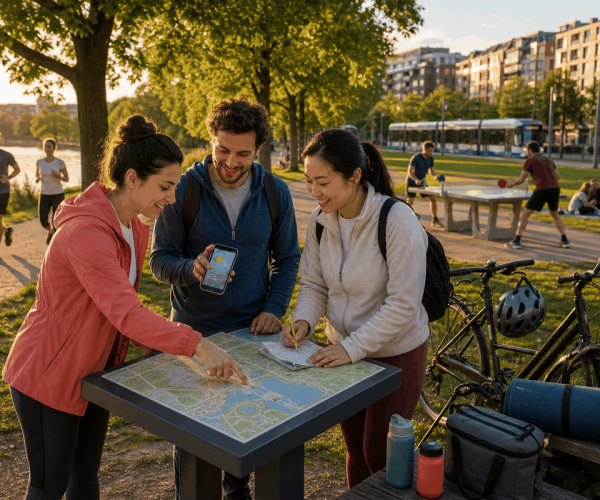
Learn useful German for park features, community recreation, meeting points, facilities, and leisure activities.

Learn the practical German needed to ask about payment methods, follow card-terminal instructions, request receipts and change, split a payment, handle declined transactions, and understand how refunds are returned.
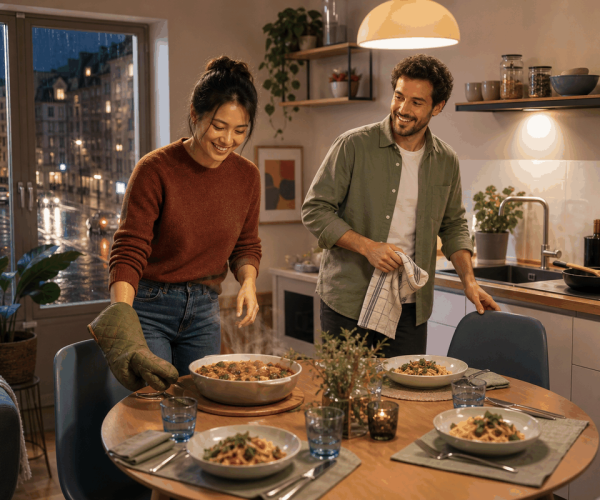
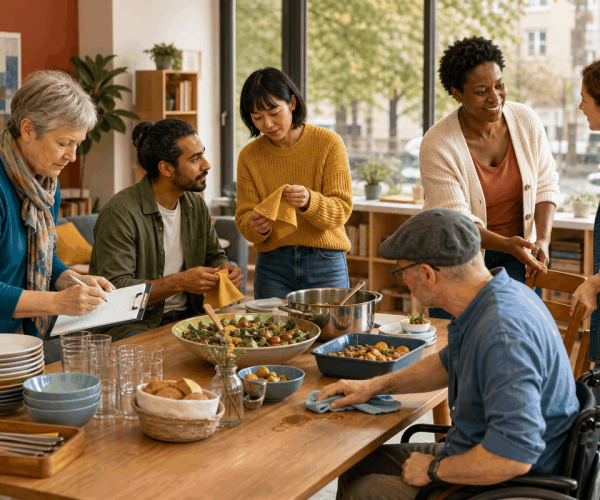
Describe common personality traits and behavior in a fair, practical way. The deck distinguishes a person’s general character from what someone does in one situation and includes language for softening opinions.
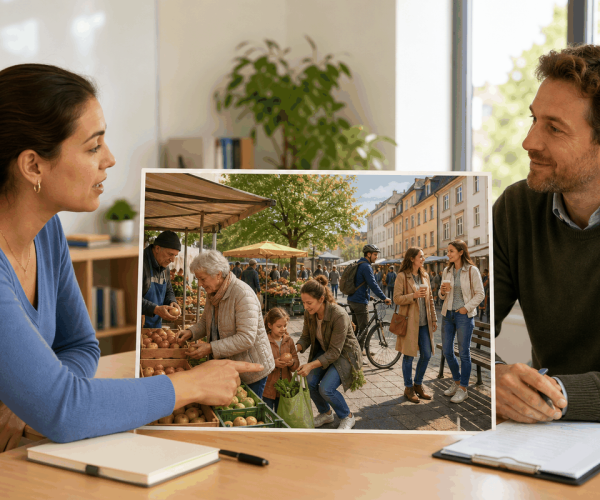
Ready-to-use tools for organizing a short picture description. Learners identify the scene, locate details, describe visible actions, compare people, and make cautious guesses without inventing a story.

Learn where everyday town services and activities happen, with short examples for describing destinations and locations.
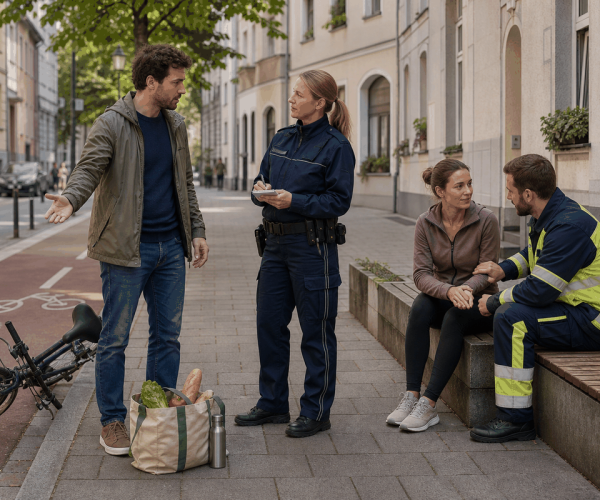
Practice simple, calm German for police, fire, and ambulance contact, reporting incidents, and giving useful facts to responders.

Reusable request patterns with Sie for strangers and service situations, plus du forms for familiar people. Each phrase shows how to ask without sounding abrupt.
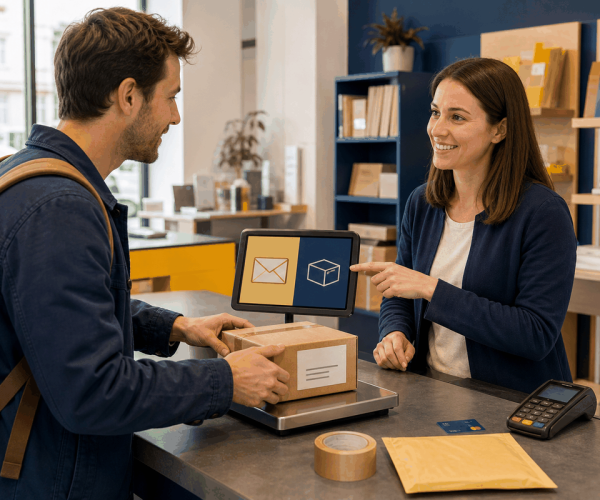


Learn concise phrases for workplace requests, updates, attachments, replies, and polite follow-up messages. It assumes the learner already knows basic email parts.
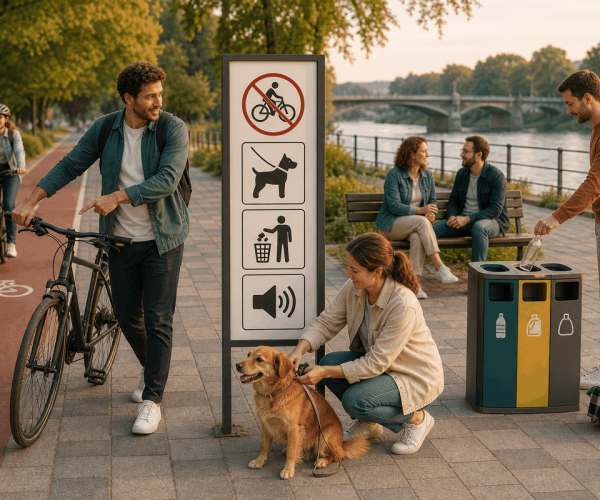
Learn practical German for permissions, prohibitions, consideration, and everyday behavior in parks, buildings, and neighborhoods.
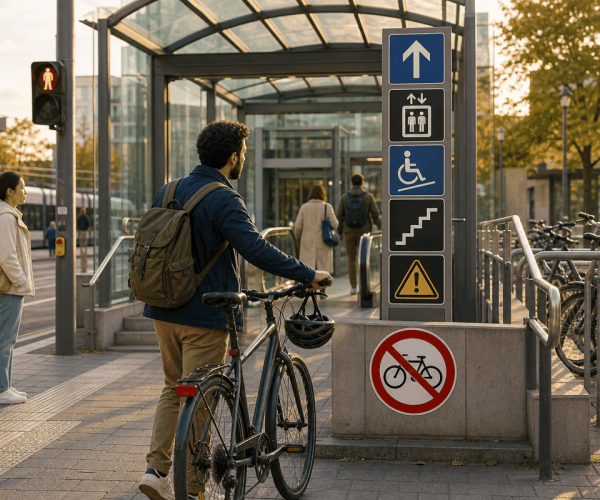
Learn 28 short signs you will often see on transport, in shops and buildings, and on streets or in public spaces. Each card focuses on the sign’s practical meaning and the action expected from you.

Practice recognizing the phrases that signal delays, changed stops, replacement service, safety instructions, and required passenger actions in public announcements.
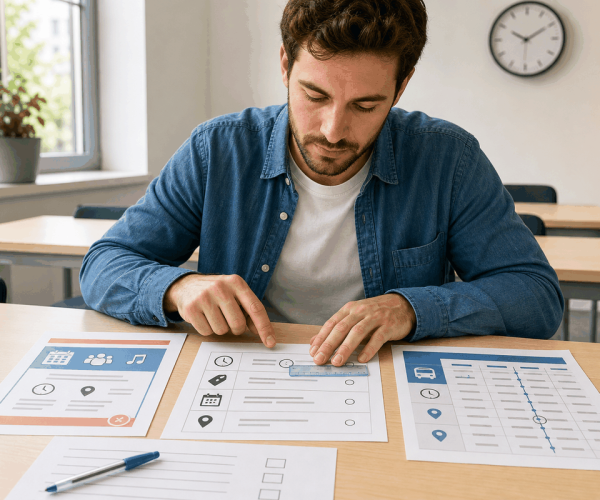
Learn to spot short German signals in notices, ads, schedules, forms, and emails. Each signal points you toward the detail that usually answers an exam question, such as a time limit, exception, change, condition, price, or required action.
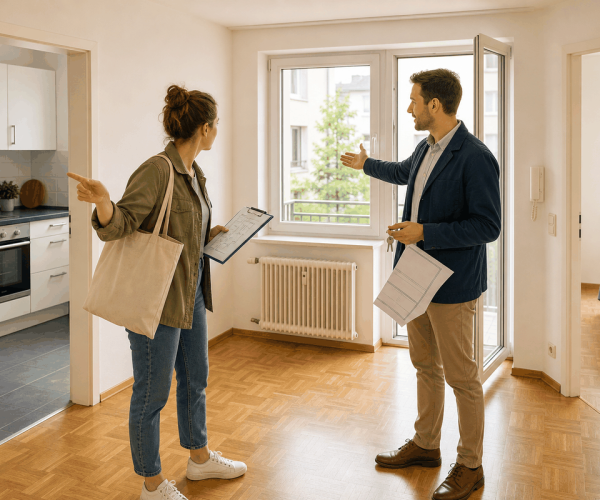
Learn practical A2 German for finding and renting an apartment. You will understand the most important details in a basic listing, ask politely about cost, size, location, and availability, arrange and attend a viewing, state simple needs, recognize core lease vocabulary, record the apartment’s cond
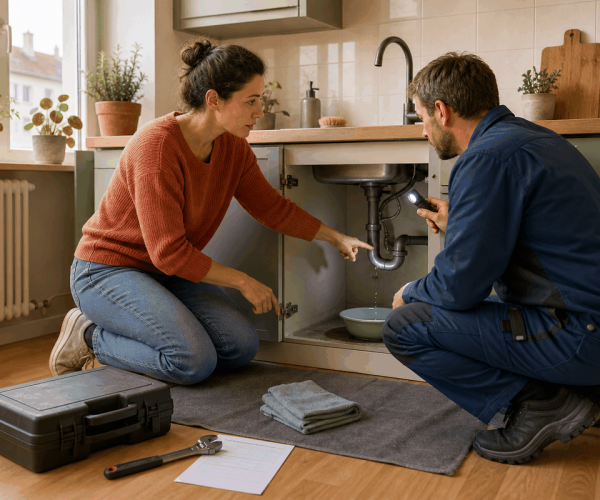
Polite German for reporting damage, explaining simple problems, and making appointments with repair services.
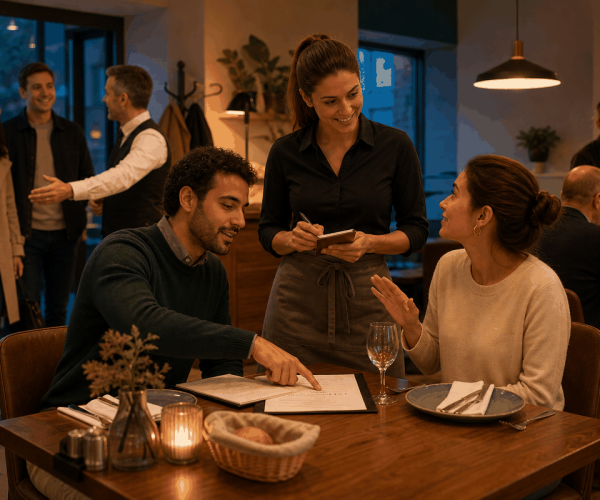
Learn the German you need to reserve a table, understand a menu, order food and drinks, ask about ingredients, respond to staff, solve simple problems, pay the bill, and leave politely.

Practical German for bringing an item back, describing a defect, and understanding return options.
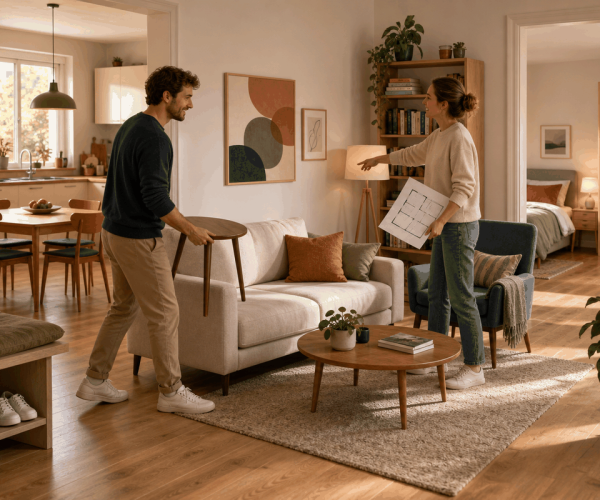
Learn the everyday German words for the main rooms and pieces of furniture in a home. Articles, plurals, and short location examples help you describe a simple home layout and say where things are.
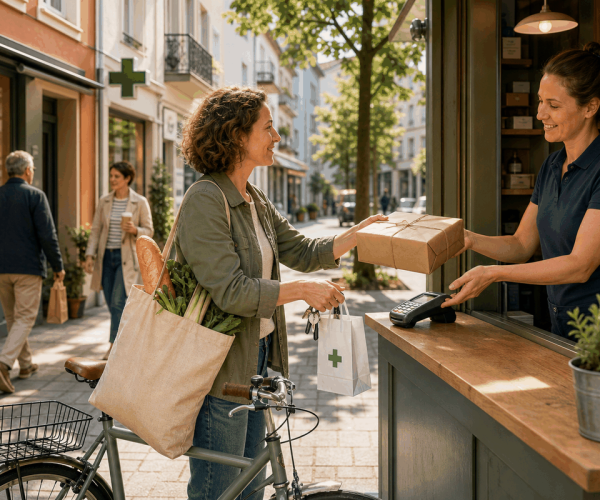
Learn how to locate services, explain a simple task, ask for help, and complete common errands at places such as a post office, pharmacy, bank, and repair shop.
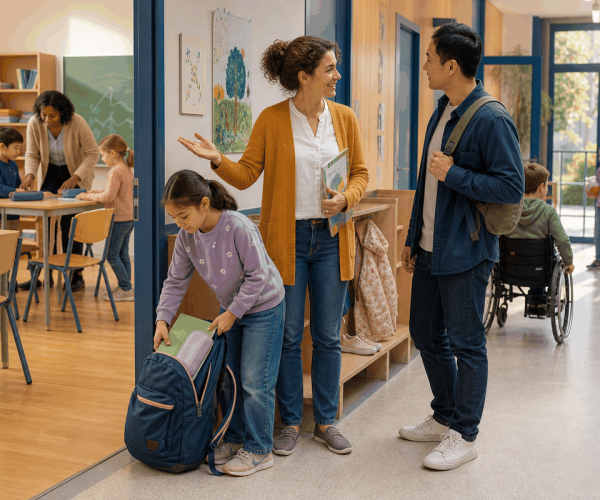
Learn high-frequency German for talking about school, understanding a timetable, discussing homework and attendance, and following simple classroom instructions.
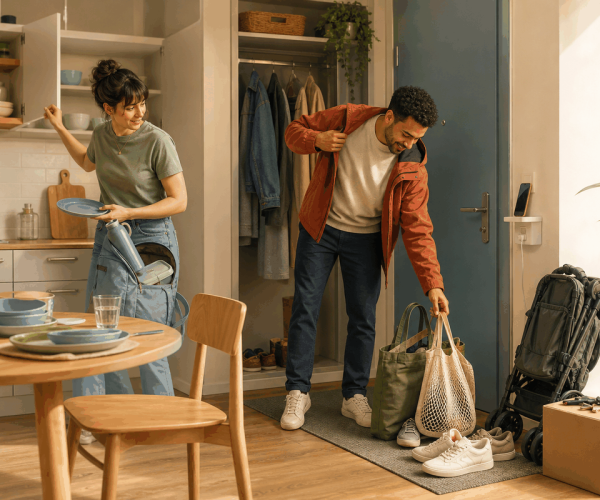
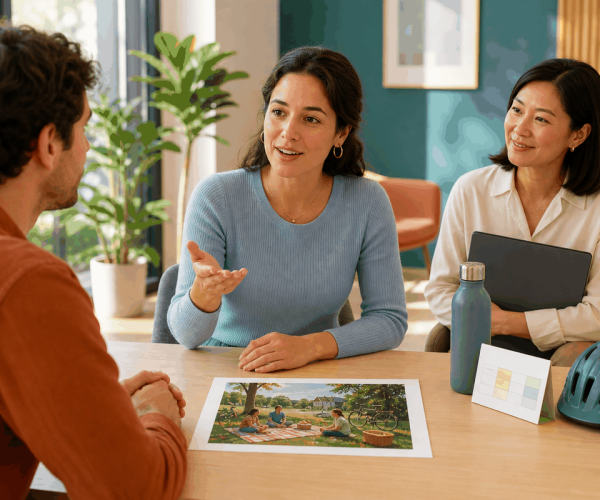
Practical opening phrases for oral exam tasks: begin an answer, give a view, add a reason, ask a partner, clarify, and keep the exchange moving. The focus is usable speech, not grammar rules.

Learn high-frequency body parts and natural A2 phrases for everyday symptoms. Short examples with “Ich habe …” and “Mir tut … weh” help you explain clearly how you feel.
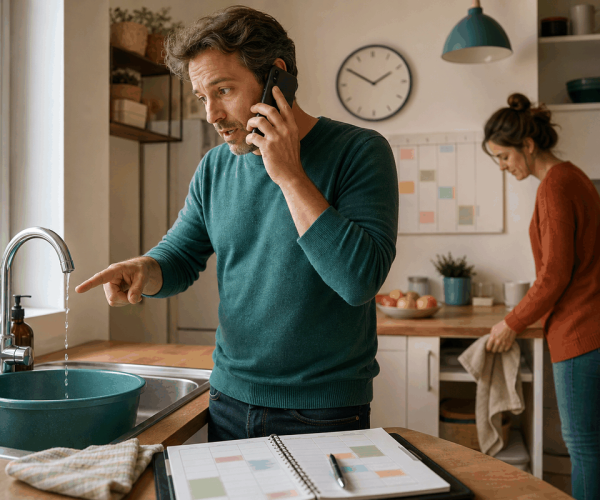
Learn how to answer the phone, introduce yourself, ask for someone, explain why you are calling, leave a message, manage connection problems and end a call politely. The deck uses neutral Standard German and the polite Sie form common in calls to businesses and people you do not know.
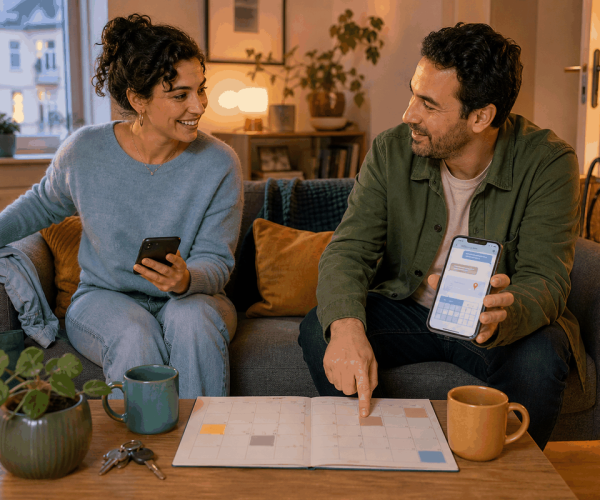
Practical phrases for arranging plans, giving quick updates, and replying naturally in personal text chats. The deck uses informal du-language unless a note says otherwise.
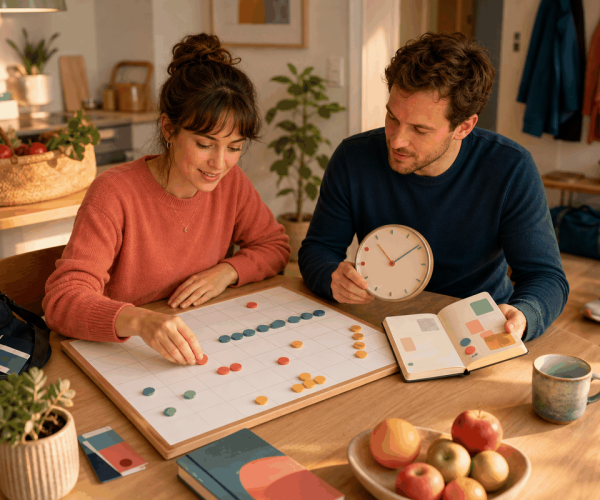
Build the practical time skills needed for everyday German. Learn to understand days and months, say dates and clock times, describe schedules and duration, put events in order, and explain how often routines happen.

Learn the practical German you need to find stops and platforms, read schedules, understand delays and announcements, ask about routes and transfers, validate a ticket, and get on and off at the right place.

Practice reporting lost documents and luggage, dealing with missed or canceled travel, correcting booking errors, and requesting clear assistance.

Practical German for understanding utility services, reporting supply problems, reading meters, and discussing bills.

Learn to describe current conditions, understand a simple forecast, choose suitable clothing, and adjust everyday plans when the weather changes.


Build the basic vocabulary needed to understand a workplace and talk about colleagues, shifts, breaks, tasks, and simple work arrangements.